Wednesday, April 1, 2015

Famous Museums in Kolkata with Pictures

The city of Kolkata in the state of West Bengal is known as the City of Joy because it is lively city and City of Palaces because it has mansions and buildings all over. The city is blessed with numerous parks, bridges, the majestic Eden Gardens, temples, libraries, statues and memorial and even museums. Here is a list of Famous Museums in Kolkata, India.
Academy of Fine Arts:

Academy of Fine Arts in the oldest art gallery of India. It has paintings of different renowned artists from all over the India in separate galleries; it also has a space for exhibition done by schools or other institutions. The art gallery is connected to a theater stage for regular theaters which interest the people of Kolkata.

Asutosh Museum of Indian Art:
 Asutosh Museum of Indian Art is located in the campus of University of Calcutta. It is named after Sir Austosh who was the Vice Chancellore of the university. The main motive of the museum was to collect specimens of phases in Indian art and emphasize on Bengal Art.

Birla Industrial and Technological Museum:


Birla Industrial and Technological Museum in Gurusaday Dutt Road, is managed by the National Council of Science Museums. It is the first science museum set up in India by the year 1954. The main thing in this is the information of the industries and business enterprises of the Birlas. They have illustrated on biotechnology, life science, mathematics, television, transport and have regular activities and programs which are knowledgeable for the people who participate.

Gurusaday Museum:
Gurusaday Museum in on Diamond Harbor which has collections of Bengal folk art, which contains handicrafts, terracotta, kantha stitches, folk quilt stitches, etc. It was establish by Sir Gurusaday Dutt from which it gets the name.

 Indian Museum:


The Indian museum was founded in 1814 and that makes it the oldest museum in India. It has six sections of archeology, art, anthropology, geological, zoology and botany divided in 35 galleries. It has rare collections of antiques, ornaments, skeletons, Egyptian mummy, dummies of animals, and many more objects.

Marble Palace:

Marble Palace is a mansion made of marbles, located in the northern side of the city built in the late 1800s’. It is one of those mansions which have been well maintained since its establishment and looks very elegant. It had been made by a wealthy merchant who had his love for art and the house contains Western sculpture, Victorian furniture, painting by artists in India and Europe. Other than that that it has chandeliers, old clocks, floor to ceiling mirrors, etc.

Netaji Bhavan:


The residence of Netaji Subhash Chandra Bose has been made into a memorial hall for him, which tells us everything about his life and his struggle for freedom. The museum shows the belongings which was used by him. It has his table, his bed, his clothes, and shoes, pens he used to write with, the attire which he used to wear in ‘khakhee’ and a few arms and ammunitions.
Police Museum:

Police Museum is Kolkata is repository of documents, photographs, arms and ammunitions like guns, swords, knifes, bombs have been exhibited there along with the history of Kolkata Police and there attires. They have shown how Police have been in support of the general people from the past to present.

The Victoria Memorial:


The Victoria Memorial was built in honor of Queen Victoria by the Indian Ministry of Culture during the British rule. On the death of the queen, Lord Curzon, had taken the initiative of having a memorial which would have a monument with a garden, pictures, statues, and which would show the history of India through various objects. The memorial also has a library inside. People consider it to be the Taj Mahal of Kolkata.

9 Best Bangladesh Tourist Places to Visit

Bangladesh is a country located in South Asia. It has a very intriguing mix of culture, architecture, style and mesmerizing beauty. The green farmlands, beautiful beaches, monuments and rivers are something that you will surely not want to miss out on. Most of the cities have been adorned with plenty of beautiful gardens and museums that make this place extra special for holidays and tourism purposes. Some of the best places seen till date have been enlisted in the following paragraphs.
Paharpur:


Paharpur of Bangladesh has been recognized as the highest Buddhist seat of learning. They have great monasteries and museums which include noteworthy objects such as potteries, inscriptions, terra cotta plaques and images of different Hindu Gods and Goddesses. It is the best place for those who are looking forward to explore the customs and traditions of Bangladesh.
Chittagong:

Chittagong is the second largest city of Bangladesh and is a great place for vacation. It has some beautiful beaches, hills and forests which is the ultimate destinations for the holiday lovers. The weather here is also pleasant.

Dhaka:

Dhaka is the capital of Bangladesh. It has thousands of travellers every year and is one of the best places in Bangladesh to visit. Because it is the capital, it is well developed and is also seen as a centre of commercial, culture, trade, educational, economic and political activities.

Kuakata:

Bangladesh is not just the country of brilliant couture, history, traditions and customs but it also the best place for romantic and beautiful beaches. The Kuakata beach of Bangladesh is somewhere you can definitely go for a short holiday. The cuisine here is amazing and the weather is always balmy and pleasant. Coming to this place will give you the best opportunity to watch the gorgeous sunsets. Take a walk with your friends early in the morning on this beach is going to be a wonderful experience.

Mahastrangarh:


Mahastrangarh is the oldest and most recognized archaeological site of Bangladesh. It is full of historical temples, museums and monuments which should surely be visited. Something that is highly noteworthy here are the shrines of Shah Sultan Bulki Mahisawary which make this place well known and renowned.

Mainamati:

On the slopes of the Mainamati hills lies a lot of detail and information about the great Buddhist civilization. It has some of the best museums which house great archaeological findings such as caskets, coins, jewellery, utensils, pottery, stupas and Buddhist inscriptions.

 Rajshai:

Rajshai of Bangladesh is well known for its mangoes, litchis and pure silk. The silk products here are quite reasonable and the large number of archaeological sites will surely help you learn and understand more about the country. Rajshai is located at the bank of the river Padma and is a true beauty indeed.

Sundarbans:


Sundarbans is located about 320 kilometers away from Dhaka. It is a 6000 sq.km of deltaic swamps and forests. The best attractions here are the wildlife and unique species, especially the royal Bengal tiger. Cheetahs, bears, hyenas, monkeys and pythons and some of the common animals you’ll see here. This place also has several guest houses where you can enjoy and relax with family.

Sylhet:


Sylhet is a beautiful valley located in Bangladesh known for its amazing tea plantations. Its pineapple plantations, tea gardens, orange groves and hot forests are some of the noteworthy things you shall find here. This place is also known for the great Muslim saint named Hazrat Shah Halal who has been recognized as a great leader of the Islamic community.

Saturday, March 28, 2015

8 Places to Visit in India Before They Vanish

India is a country that is rich in history and heritage. There are so many places in India that we could travel to, that you could spend your entire life exploring them. But before you start ticking off items on your bucket list, hold your horses because there are some gorgeous spots in India which are going to disappear in the next few years. Instead put these spot on the top of your list and start packing your bags because you must visit these places before they disappear.


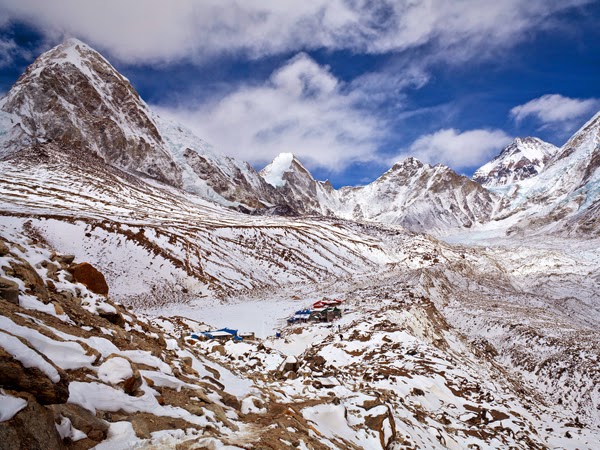
Himalayan Glaciers: The Himalayan Glaciers look majestic and are beautiful beyond par.  But due to global warming, they are melting and how.  According to a research by the University of Milan, in the course of last 50 years, the Everest region has shrunk by 13 per cent. Just a few years more and all of it will be gone.


Lakshadweep Coral Reef: The coral reef is so beautiful that it will transport you into a dreamland the moment you reach there. But unfortunately the coral reefs face dire threat from pollution, coral mining and blast fishing. A study reveals that the sea levels, which have risen due to global warming is having an effect on reefs, lagoons, beaches and even sand dunes. The reef has been subject to increase in population, mining of coals, coastal corrosion, unrestrained construction and even unscientific waste disposal.  It just a matter of years before they cease to exist.


Majuli: One of the largest river islands in the world, it lies on the banks of the Brahmaputra River. Visit the place in the next 15-20 years because it is likely submerge by that time. In 1950, when an earthquake occurred, the river rose up to the upper reaches of the island creating a huge impact.  In 1998, too, the flood waters caused destruction. Since 1991, over 35 villages have been washed away in Majuli. The locals there truly know all about the fragility of life. 


Sunderbans, West Bengal:  Combine your trip to Majuli with this trip to Sunderbans. A UNESCO World Heritage site, Sunderbans is abounds in mangrove forests and is home to the endangered Bengal Tiger along with around 334 plant and bird species, snakes, crocodiles and other fauna. Being low lying islands, the rise sea levels due to melting of polar ice caps has impacted Sunderbans and submerged four islands in this archipelago. Around 10,000 locals have been rendered homeless and are classified as India's first wave of climate refugees. The entire chain of islands will be underwater soon. 


The Western Ghats:  The Ghats are the home of 300 globally threatened species, animal and insects. But its proximity to the metro cities makes them an alluring spot for land owners. The land zoning regulations that converted hill and agricultural land to residential and commercial ones too do not help in its conservation.


Valley of Flowers: Alpine blossoms, charming meadows and breathtaking landscape, the Valley of Flowers is a must-visit location. It is also one of the biggest hotspot for butterflies in the world. The place still retains its charm because the lack of pucca roads to this valley have put off most settlers so far. Still it  is in danger due to deforestation, development and increasing influx of tourism. Climate change can also quickly eradicate this fragile ecosystem which relies on a delicate balance of warm and cold weather. 


Wular Lake: The stunning Wular Lake in Jammu & Kashmir is one of the largest fresh water lakes in Asia.  However in the recent years, the lake has been facing environment hazards due to pollution and hunting of waterfowl and other birds. The size of the lake has shrunk considerably in the past few years.


The Colorful Wooden Building | Nidelva River Trondheim, Norway

Trondheim the historic port of central Norway. It lies on a sheltered peninsula on the southern shore of the deeply indented Trondheims Fjord at the mouth of the Nidelva river, about 23 miles or 37 km to southeast of the Norwegian Sea. According to legend, Viking Kink Olav Tryggvason established Trondheim in the year 997 at the mouth of the river Nidelva. Since then Trondheim has taken a special place among the Norwegian cities. It was Norway’s first capital and since then, Norwegian kings have received their ceremonial blessings here. Trondheimis a modern city located next to a large fjord. With its many distinguished universities and research facilities, which are among the best in Europe, it has become a center of knowledge. Trondheim has numerous cultural and recreational facilities. It has the charms of a historic city and the potential of a modern European metropolis. Trondheim’s citizens are friendly and social and the city is famous for its hospitality.


Most of the buildings here are wooden, left from the 17th, 18th and 19th centuries. Painted in bright colours, these wooden structures make the streets of Trondheim picturesque and charming. Particularly attractive are the rows of large wooden warehouses lining the river. Built in the 1800′s, when Trondheim was a trading hub and a major port of call for ships travelling up and down the Scandinavian coast, most of these warehouses have been beautifully restored and converted into restaurants, cafes, shops and business premises.

The people of Trondheim have always seen the special quality of the wharves, so they are still proudly standing today, having not only survived the Swedes, but also plans in the 1930s to tear them down and replace them with modern blocks in the functionalist style.

On the seafront, towards the canal, many of the wharves were built more recently, in the 19th and 20th centuries. Housing shops, offices, restaurants and cafes, they still hold a special charm.


The Beinecke Rare Book and Manuscript Library

The Beinecke Rare Book & Manuscript Library is the largest building in the world dedicated to the containment and preservation of rare books, manuscripts, and documents. It was designed by Gordon Bunshaft of Skidmore, Owings, & Merrill and is located in New Haven, Connecticut. Situated on Yale University's Hewitt Quadrangle, the building was designed by Gordon Bunshaft of Skidmore, Owings & Merrill and completed in 1963. Established by a gift of the Beinecke family and given its own endowment, the library is financially independent from the university and is co-governed by the University Library and Yale Corporation. The library's iconic building is scheduled to close for major renovation following Yale University’s commencement ceremonies in May 2015. The renovation will replace the building's mechanical systems and expand its research, teaching, storage, and exhibition capabilities, and should be complete in September 2016. A temporary reading room in Yale's Sterling Memorial Library will provide researchers access to the library’s collections during the renovation.

A six-story above-ground glass-enclosed tower of book stacks is surrounded by a windowless rectangular outer shell, supported only on four massive piers at the corners of the building, which descend 50 feet to bedrock. The outer walls are made of translucent veined marble panels quarried from Danby, Vermont, which transmit subdued lighting from outside, while providing protection from direct sunlight. At night, the stone panels transmit light from the interior, giving the exterior of the building an amber glow. The outside dimensions have "Platonic" mathematical proportions of 1:2:3 (height: width: length). The building has been called a precious "jewel box", and also a "laboratory for the humanities".

A public exhibition hall surrounds the glass stack tower, and displays among other things, one of the 48 extant copies of the Gutenberg Bible. Two basement floors extend under much of Hewitt Quadrangle. The first level down, the "Court" level, centers on a sunken courtyard in front of the Beinecke, which features The Garden (Pyramid, Sun, and Cube). These are abstract allegorical sculptures by Isamu Noguchi that are said to represent time (the pyramid), sun (the disc), and chance (the cube). This level also features a secure reading room for visiting researchers, administrative offices, and book storage areas. The level of the building two floors below ground has movable-aisle compact shelving for books and archives.

The Beinecke is one of the largest buildings in the world devoted entirely to rare books and manuscripts. The library has room in the central tower for 180,000 volumes and room for over 600,000 volumes in the underground book stacks. The library's collection, which is housed both in the library's main building and at Yale University's Library Shelving Facility in Hamden, Connecticut, totals roughly 1 million volumes and several million manuscripts.


In the late 19th century, rare and valuable books of the Library of Yale Colleg e were placed on special shelving at the College Library, now known as Dwight Hall. When the university received a multimillion-dollar bequest from John W. Sterling for the construction of Sterling Memorial Library in 1918, the university decided to create a dedicated reading room for its rare books, which became the building's Rare Book Room when the building opened in 1930. Because the bequest did not contain an allowance for books or materials, Yale professor Chauncey Brewster Tinker petitioned its alumni to donate materials that would give the university a collection as monumental as its new building. By the time Sterling opened, Tinker's appeal garnered an impressive collection of rare books, including a Gutenberg Bible from Anna M. Harkness and several major collections from the Beinecke family, most notably its collection on the American West.


               Beinecke Rare Book Library, Two volumes of original Gutenberg Bibles.